Yesterday I had a much more productive day when I woke up. I drew a bunch. I even ran out of ink, so I couldn't finish this Baby Box:

Otherwise I might have started the one below. As it is I just reviewed the tabs to describe each panel.


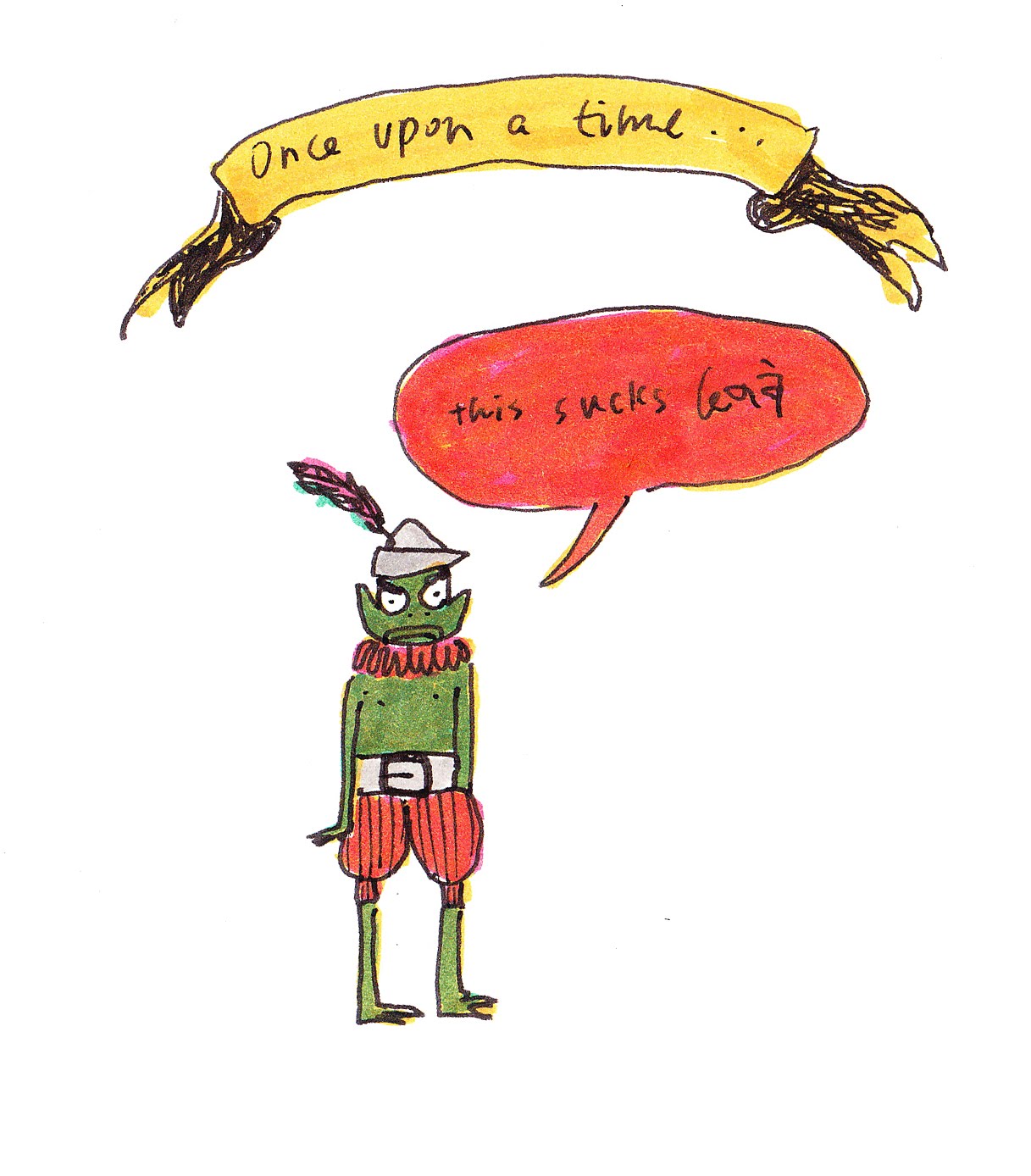
 That said, it did lead to a different, excellent idea.
 This one just isn't right for those aliens, but at least I finally drew his pint glass proportionally large. Right, I mean – they're three feet tall, and they're always holding regular-sized glasses. I figure they get little shot glasses of beer. Or no one serves them. Or


 This guy's next in line maybe. By seniority at least...
 Except this guy will actually get my business mail to me.

 second draft: it's good with just a touch of color, right?


 The earlier drafts were posted... three months ago. Worth the wait!
 Yesssssss!


I want to read little-known secrets penned by well-known scholars of some forgotten caliphate; elaborated from a Pharaohnic death manual, a bound vellum volume captured during Alexandrine campaigns into The East, or both. The text in question will show certain influences, peculiar in their combination – Vedism, Kabbalah, the Island of Mu, and traces here and there recognizable only to those versed in the ways of the Incan khipu kamayuq. Impartial records will indicate the grimoire's passing inexplicably from Turkish petty-khans to the well-to-do of the Low Country; optimally, it will have been procured from the Nazis before the fall of Berlin.Editor went with something else. Oh well – I'm like, halfway on the dead languages thing.
To fulfill this desire, I must know a minimum of eight dead languages – no less than two of which I am to have invented myself.


Eccentric and superstitious, Kyōka developed a reputation for writing about the grotesque and the fantastic. "The Holy Man of Mount Kōya" (高野聖, Kōya Hijiri), is a tale about a monk's journey through a mountainous wilderness, encountering inexplicable and unsettling experiences. Borrowing and embellishing themes from Edo period popular fiction, folklore and Noh drama, more than half of Kyōka 's works incorporate some form of supernatural element. Kyōka's narrative style borrows from traditional rakugo storytelling, and also uses dramatic dialogues similar to that used in kabuki drama.Hoo... that second sentence. Kyoka's definitely worth reading, don't let Wikipedia dissuade you. These four pages are just about at the end.